Introduction
In the bustling metropolis of Los Angeles, a unique set of laws has been established to address the multifaceted challenges of texting in various contexts. This article delves into the intricacies of "do-not-text-laws" within the city's boundaries, exploring their implications, enforcement, and effects on society. We will navigate through the historical context, current legal framework, and future prospects of these laws, providing readers with a comprehensive understanding of their role in public safety and digital communication etiquette.
Understanding Do-Not-Text Laws in Los Angeles
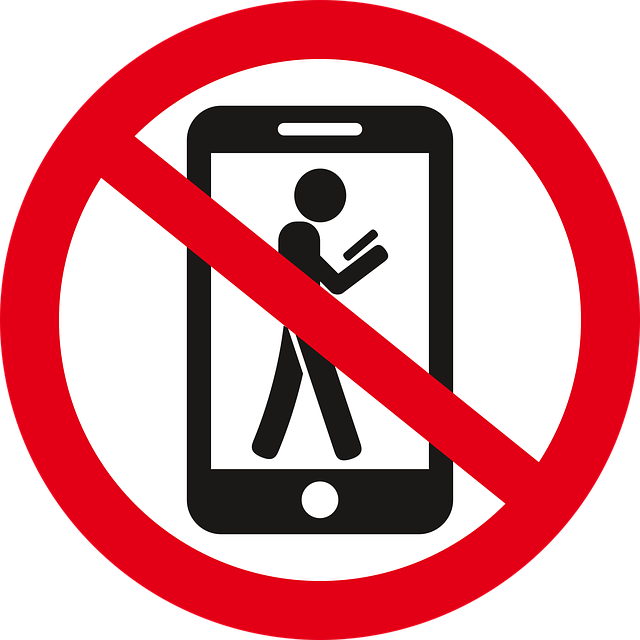
"Do-not-text" laws in Los Angeles are designed to address specific risks associated with texting while driving, working in hazardous environments, or operating specialized equipment. These laws prohibit individuals from sending or reading text messages under certain conditions to ensure safety and prevent accidents. The core components of these laws include clear guidelines on when and where texting is prohibited, fines for violations, and educational campaigns to raise awareness about the risks associated with texting.
Historically, the genesis of "do-not-text" laws can be traced back to broader legislation aimed at curbing distracted driving. Los Angeles, being a major city with a high volume of traffic and a tech-savvy population, was an early adopter of such measures. These laws fit within a broader landscape of regulations aimed at promoting safe behavior in various settings, from roadways to construction sites.
Global Impact and Trends
The influence of Los Angeles' "do-not-text" laws extends beyond its city limits, impacting the global conversation around digital safety and legislation. Other cities and countries are adopting similar measures, recognizing the importance of addressing the risks associated with texting in dangerous or sensitive environments. Trends indicate a growing recognition of the need for comprehensive guidelines that govern electronic device use in various contexts.
The impact is evident in different regions, where environmental factors such as traffic density, cultural attitudes towards technology, and existing legal frameworks shape how these laws are implemented and enforced. For instance, countries with high rates of mobile phone usage have prioritized the development of robust educational programs to complement their "do-not-text" legislation.
Economic Considerations
The economic landscape is significantly influenced by "do-not-text" laws, which affect market dynamics and investment patterns. Businesses must adapt to these regulations by incorporating safety protocols that align with legal requirements. The role of "do-not-text" laws in economic systems is multifaceted, as they not only impact business operations but also influence consumer behavior and the development of technology solutions designed to minimize distractions.
Investment in tech-based safety measures has surged, with startups and established companies alike developing applications and hardware that assist individuals in adhering to "do-not-text" laws. These economic considerations underscore the importance of integrating safety regulations into broader market strategies and investment decisions.
Technological Advancements
Technological advancements have been pivotal in addressing the challenges posed by texting in various environments. Innovations range from software that locks mobile devices while driving to hardware that physically prevents screen interaction under predetermined conditions. These technologies not only enhance compliance with "do-not-text" laws but also contribute to the broader safety and efficiency of workplaces and public spaces.
Looking ahead, we anticipate further advancements in artificial intelligence and machine learning that can predict and prevent potential distractions before they occur, offering even greater protection against the risks associated with texting.
Policy and Regulation
The legislative framework governing "do-not-text" laws is comprehensive, encompassing policy development, regulation enforcement, and ongoing review to ensure effectiveness. Key policies include clear definitions of when and where texting is prohibited, as well as protocols for enforcement and education. These regulations are influenced by data-driven research that informs policymakers about the most effective strategies for reducing texting-related incidents.
The influence of these laws on public behavior has been significant, leading to a reduction in reported accidents associated with distracted driving and texting. Continuous monitoring and adaptation of these policies ensure that they remain relevant and effective in an ever-changing technological landscape.
Challenges and Criticisms
Despite the positive impact of "do-not-text" laws, challenges and criticisms have emerged. One major concern is ensuring compliance without infringing on personal freedoms. Additionally, critics argue that the laws should be more consistently enforced to maximize their deterrent effect. Another challenge is the rapid evolution of technology, which requires frequent updates to legislation to remain relevant.
To address these issues, actionable solutions include improving public awareness campaigns, enhancing enforcement through technological tools, and regularly reviewing and updating regulations to keep pace with technological advancements. By addressing these challenges head-on, Los Angeles' "do-not-text" laws can serve as a model for other cities and countries seeking to implement similar measures.
Case Studies and Real-World Outcomes
Real-world outcomes of "do-not-text" laws in Los Angeles have been encouraging, with a noticeable reduction in texting-related accidents and an increase in public awareness about the dangers of distracted texting. Case studies from various industries demonstrate how these laws can be effectively integrated into daily operations without compromising efficiency or productivity.
For instance, transportation companies have implemented "do-not-text" policies for drivers, with positive results in safety outcomes. Construction firms have also adopted these practices, reducing the risk of accidents on job sites. These real-world applications highlight the tangible benefits of adhering to "do-not-text" laws.
Future Prospects
The future of "do-not-text" laws is one of evolution and adaptation, as new technologies and changing societal norms continue to shape how we interact with our devices. Los Angeles' pioneering role in this area will likely influence the development of similar regulations worldwide. As we look ahead, it is clear that ongoing education, technological innovation, and legal adaptation will be key to the continued success of "do-not-text" laws in promoting safety and responsible behavior in an increasingly connected world.
In conclusion, Los Angeles' "do-not-text" laws represent a significant step forward in addressing the challenges posed by the integration of mobile technology into every aspect of our lives. Through a combination of effective policy, public education, and technological innovation, these laws have had a positive impact on safety and behavior, setting a precedent for other cities and countries to follow. As we move forward, it is essential to continue monitoring, adapting, and promoting these regulations to ensure they remain effective and relevant in an ever-changing digital landscape.