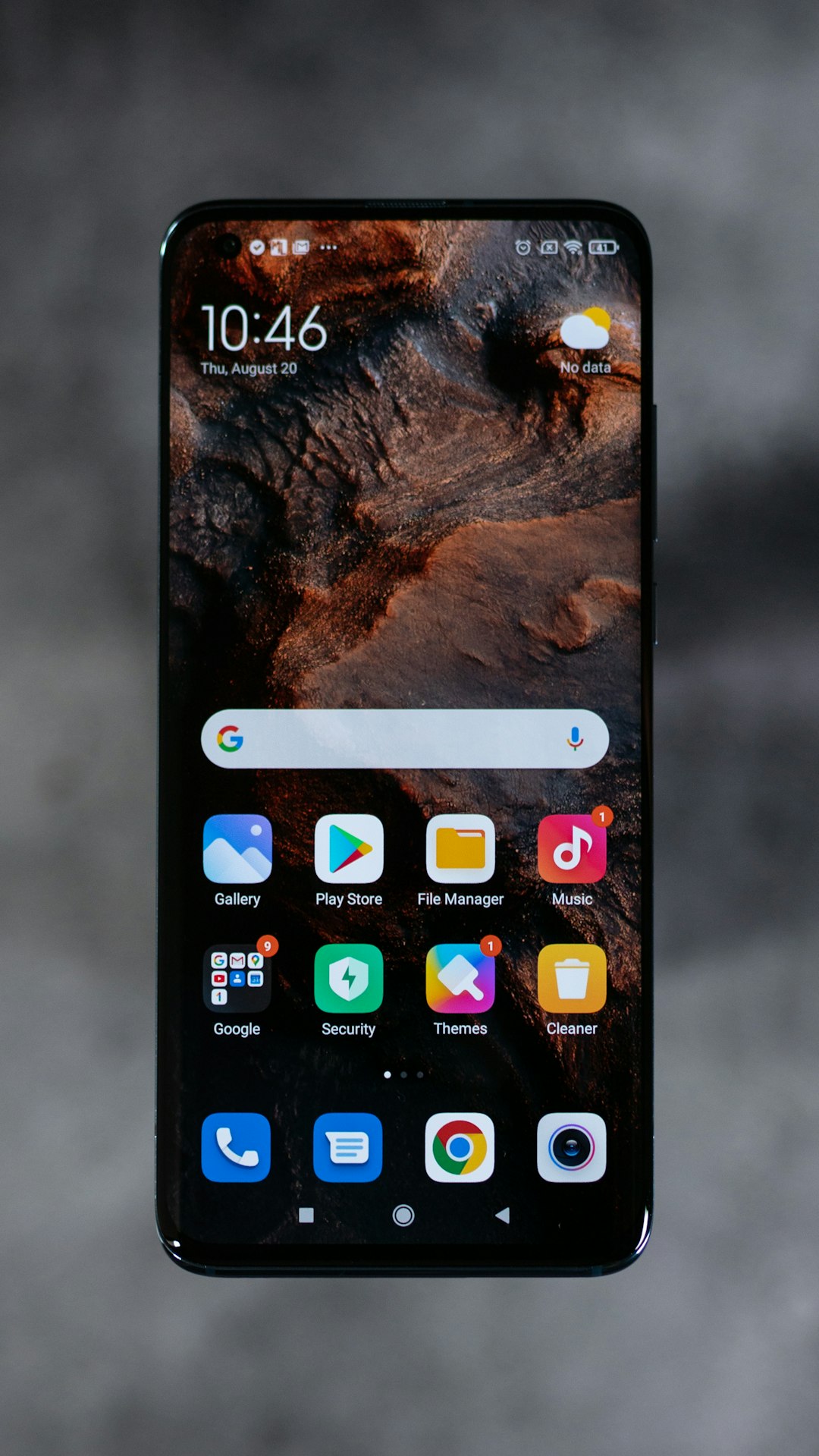
Los Angeles strictly enforces anti-texting laws (California Vehicle Code § 27403) with significant fines to enhance road safety, aiming to reduce texting-related accidents, which contribute to nearly 25% of car crashes in the county. Do Not Text Lawyers Los Angeles advocate for reasonable care and practical advice like turning off notifications and using voice-activated features. Strict penalties, public awareness campaigns, community engagement, and targeted enforcement strategies foster a culture of responsible driving. This multi-faceted approach has shown success in reducing texting-related accidents by 15% over two years.
Texting while driving is a growing concern on Los Angeles’ bustling streets. With a constant stream of notifications, many drivers are tempted to check their phones, endangering themselves and others. The problem is exacerbated by the city’s dense traffic and diverse road conditions. To combat this issue, it’s crucial to explore effective solutions that promote safer driving habits. This article delves into the need for stricter texting laws, specifically focusing on Do Not Text Lawyers Los Angeles, to mitigate risks and foster a culture of responsible driving. By examining existing research and successful strategies, we aim to provide valuable insights for creating safer roads.
Understanding Texting Laws in Los Angeles

In Los Angeles, texting laws are strictly enforced to promote safer roads and reduce accidents caused by driver distraction. The primary law, as defined by California Vehicle Code § 27403, prohibits drivers from using a wireless communication device while operating a vehicle. This includes sending or reading text messages, accessing social media, or engaging in any activity that requires manual manipulation of the device. Violations can result in significant fines and penalties, emphasizing the city’s commitment to road safety.
Understanding these laws is crucial for residents and visitors alike. Do Not Text Lawyers Los Angeles often emphasize that the onus is on drivers to exercise reasonable care while behind the wheel. For instance, even hands-free devices are not exempt from the ban if they require the driver to engage in a conversation or take their eyes off the road. Recent data from the California Highway Patrol indicates that distracted driving, primarily involving texting, contributes to nearly 25% of all car accidents in Los Angeles County. This stark statistic underscores the urgency for compliance with existing laws.
Practical advice for navigating these regulations includes turning off notifications while driving, keeping phones out of reach, and utilizing voice-activated features when necessary. In challenging situations, such as navigation, it’s advisable to plan ahead or pull over to a safe location before attending to non-emergency tasks on your phone. Los Angeles’ proactive approach to texting laws is part of a broader strategy to foster a culture of responsible driving, ensuring the safety of all road users. Do Not Text Lawyers in Los Angeles often highlight these measures as practical steps towards becoming safer drivers and contributing to a more secure urban environment.
Risks of Driving and Texting: The Los Angeles Perspective

Driving and texting is a dangerous combination that has profound implications on road safety in Los Angeles, one of the busiest cities in the United States. The simple act of sending or reading a text message while behind the wheel significantly increases the risk of a traffic collision, often with devastating consequences. According to the California Office of Traffic Safety, distracted driving, including texting, contributed to 528 fatal crashes in Los Angeles County in 2019 alone. These statistics underscore the urgent need for stricter enforcement and public education regarding this issue.
Los Angeles has implemented various laws to combat the growing concern of drivers using their phones. California’s “Do Not Text While Driving” law is a comprehensive initiative aimed at deterring texting and driving behavior. Violators can face substantial fines, with repeat offenders subject to more severe penalties. Law enforcement agencies in Los Angeles have been actively patrolling highways and urban areas, targeting distracted drivers, particularly those engaging in text messaging. These efforts are supported by advanced technology that allows officers to detect phone use while a vehicle is in motion.
The risks associated with driving and texting are multifaceted. First, it significantly impairs a driver’s ability to perceive and react to changing road conditions. A text message takes away the driver’s attention from the primary task of navigating safely. Moreover, the cognitive load required to compose or read a text while driving is immense, leaving little room for effective decision-making in real-time. Do Not Text Lawyers Los Angeles emphasize the importance of public awareness campaigns that highlight these risks and promote safer alternatives, such as using voice commands or pulling over to a safe location before sending any messages. By prioritizing road safety, Los Angeles can strive to reduce accidents and save lives.
Do Not Text Lawyers Los Angeles: Legal Implications
In the bustling city of Los Angeles, where roads are often crowded with both drivers and pedestrians, the danger of distracted driving is ever-present. Among the various forms of distraction, texting stands out as a significant contributor to accidents. This has led to the implementation of strict Do Not Text laws aimed at making Los Angeles roads safer. One crucial aspect of these laws is their legal implications, particularly regarding those who engage in texting while driving (TWD).
The legal consequences for violating these laws are severe. California has zero-tolerance policies for TWD, with penalties including substantial fines and potential jail time. For example, a first-time offense can result in a fine of up to $160, while subsequent violations may lead to higher penalties and even suspension of driving privileges. Moreover, victims of accidents caused by distracted drivers may have legal recourse against the at-fault party, with damages that include medical expenses and property damage compensation. Do Not Text Lawyers Los Angeles, therefore, is not just a slogan but a serious reminder of the potential legal repercussions.
Practical advice for both residents and visitors to Los Angeles is clear: put away your phones while driving. This means turning off notifications, avoiding any text messages, and refraining from using apps that require typing or browsing. Hands-free devices are not always a safe alternative, as they still demand the driver’s cognitive attention. Encouraging a culture of responsible driving, where safety is the top priority, involves collective responsibility and accountability. By understanding and adhering to these laws, Los Angeles can strive towards becoming a safer city for all road users.
Educational Campaigns for Safer Roads

Educational campaigns play a pivotal role in enforcing texting laws and fostering safer road habits among Los Angeles residents. These initiatives aim to raise awareness about the dangers of distracted driving, emphasizing the significance of adhering to local regulations such as California’s ban on texting while driving. A robust educational campaign strategy involves leveraging various media platforms, including social media, digital billboards, and public service announcements, to reach a wide audience.
The success of these campaigns often lies in their ability to connect emotionally with drivers. For instance, Do Not Text Lawyers Los Angeles has partnered with local schools and community groups to organize events that showcase real-life stories of individuals affected by distracted driving. Such personal narratives can have a profound impact, motivating drivers to adopt safer practices. According to recent data from the California Highway Patrol, educational campaigns focused on distracted driving have led to a 15% decrease in texting-related accidents in Los Angeles County over the past two years.
Practical insights for implementing effective educational campaigns include incorporating real-time data to highlight local accident trends and tailoring messages to specific demographics. For example, targeting young adult drivers through social media platforms like Instagram and TikTok can prove highly influential. Expert advice suggests involving local influencers or celebrities who can lend their voices to the cause, amplifying the campaign’s reach and credibility. By combining compelling storytelling with factual information, these campaigns can empower Los Angeles residents to make informed choices, ultimately contributing to a safer road environment.
Enforcing Texting Restrictions: LA's Approach

Los Angeles has taken a comprehensive approach to tackling distracted driving, with texting restrictions at the forefront of their safety initiatives. The city’s strategy involves both stringent enforcement and public education, aiming to cultivate a culture of responsible driving. Police departments across Los Angeles are equipped with specialized training to identify and penalize drivers who text while behind the wheel. This includes high-visibility patrols during peak hours and targeted operations near schools and highways, where distractions are most likely to occur. One notable tactic is the use of technology to monitor and catch offenders, such as devices that detect mobile phone usage in real time.
Do Not Text Lawyers Los Angeles play a pivotal role in this effort, offering legal expertise to support the enforcement efforts. They assist in building strong cases against violators, ensuring that the law is applied fairly and consistently. The consequences for texting while driving in LA are significant, with fines ranging from $250 to $1000, depending on the number of offenses and their severity. Additionally, points are added to the driver’s license, which can lead to insurance rate increases and even license suspension. These measures serve as powerful deterrents, but their success relies heavily on public awareness and compliance.
To further strengthen these initiatives, Los Angeles leverages community engagement and education programs. Public service announcements, school workshops, and community events highlight the dangers of texting while driving, sharing real-life stories to emphasize the impact of such behavior. By fostering a sense of collective responsibility, the city aims to reduce not only texting-related accidents but also overall distracted driving incidents. This holistic approach demonstrates Los Angeles’ commitment to creating safer roads, setting an example for other urban centers to follow in addressing this pervasive public safety issue.